$10-$19.99

  • Heuchera (Coral Bells) #2

    Heuchera (Coral Bells) #2

    $19.99

    Heuchera (Coral Bells) is a compact perennial grown for its colorful, textured foliage and delicate sprays of bell-shaped flowers, bringing long-lasting interest to shade and part-shade gardens.

    Disclaimer: The images for this plant are AI-generated and meant to give you an idea of what it could look like when fully grown. Every plant is unique, so colors, size, and shape may vary. We hope these images help you imagine your plant’s potential!

  • Hibiscus moscheutos (Hardy Hibiscus) #2

    Hibiscus moscheutos (Hardy Hibiscus) #2

    $19.99

    A bold, upright perennial with massive summer flowers in shades of white, pink, red, and bicolor, complemented by large green foliage. Ideal for sunny borders and moisture-retentive garden areas.

    Disclaimer: The images for this plant are AI-generated and meant to give you an idea of what it could look like when fully grown. Every plant is unique, so colors, size, and shape may vary. We hope these images help you imagine your plant’s potential!

  • Hosta #2

    Hosta #2

    $19.99

    Hosta Care

    Light: Hostas thrive in partial to full shade. While some varieties can tolerate more sunlight, it’s generally best to provide them with filtered or indirect sunlight to prevent leaf scorching.

    Watering: Keep the soil consistently moist but not waterlogged. Water deeply once or twice a week, especially during dry spells or hot weather. Avoid overhead watering to prevent fungal diseases.

    Soil: Hostas prefer well-draining, rich, and slightly acidic soil. Incorporate organic matter such as compost or leaf mulch into the soil to improve its texture and fertility.

    Fertilization: Apply a balanced, slow-release fertilizer in early spring as new growth emerges. Avoid excessive nitrogen, which can lead to lush foliage but decreased plant vigor.

    Mulching: Mulch around the base of the plant with a layer of organic mulch to conserve moisture, suppress weeds, and insulate the roots. This is particularly important during the hot summer months.

    Division: Hostas benefit from division every few years to prevent overcrowding and rejuvenate the plant. Divide mature clumps in early spring or fall, ensuring each division has several healthy roots and shoots.

    Pests and Diseases: Keep an eye out for common pests such as slugs, snails, and deer, which may feed on hosta foliage. Use organic or chemical controls as necessary. Additionally, watch for signs of fungal diseases like leaf spot or crown rot, and promptly remove and destroy affected foliage.

    Winter Care: Hostas are generally hardy and can withstand frost. However, in colder regions, provide a layer of mulch to insulate the roots during winter. Cut back dead foliage in late fall or early spring to encourage new growth.

    Select optionsLoading Done This product has multiple variants. The options may be chosen on the product page
  • Hosta spp. (Hosta) #2

    Hosta spp. (Hosta) #2

    $19.99

    A shade-loving perennial prized for its bold, ornamental foliage in a wide range of colors and textures, accented by summer flower spikes. Ideal for woodland gardens and shaded borders.

    Disclaimer: The images for this plant are AI-generated and meant to give you an idea of what it could look like when fully grown. Every plant is unique, so colors, size, and shape may vary. We hope these images help you imagine your plant’s potential!

  • Hoya 'Krimson Queen' 4"

    Hoya ‘Krimson Queen’ 4″

    $14.99

    Hoya ‘Krimson Queen’ Care

    Light: Provide bright, indirect light for your Hoya ‘Krimson Queen.’ It appreciates several hours of indirect sunlight each day, but avoid exposing it to harsh, direct sun, which can scorch the leaves. Inadequate light can slow down growth and reduce variegation.

    Temperature: Maintain a warm environment, ideally between 65-80°F (18-27°C).

    Humidity: Hoyas generally tolerate average indoor humidity levels, but they benefit from occasional misting to increase humidity, especially in dry environments.

    Watering: Water your Hoya ‘Krimson Queen’ when the top inch or so of the soil feels dry to the touch. Water thoroughly, allowing excess water to drain from the pot.

    Soil: Use a well-draining, aerated potting mix. A mixture of peat moss, perlite, and orchid bark works well for these plants.

    Fertilization: Feed your Hoya ‘Krimson Queen’ with a balanced liquid fertilizer every 4-6 weeks during the growing season (spring and summer).

  • Hoya macrophylla variegata 4"

    Hoya macrophylla variegata 4″

    $18.95

    Hoya macrophylla variegata Care

    Light: Thrives in bright, indirect light; avoid direct sunlight which can scorch the leaves.

    Watering: Water moderately, allowing the top inch of soil to dry out between waterings.

    Humidity: Prefers moderate to high humidity levels; mist occasionally if the air is dry.

    Temperature: Keep in temperatures between 65-80°F (18-27°C); avoid sudden temperature fluctuations.

    Soil: Plant in well-draining, aerated soil; allow proper drying between waterings to prevent root rot.

  • Hoya parviflora 4"

    Hoya parviflora 4″

    $21.99

    Hoya parviflora Care

    Light: Thrives in bright, indirect light; avoid direct sunlight which can scorch the leaves.

    Watering: Water moderately, allowing the top inch of soil to dry out between waterings.

    Humidity: Prefers moderate to high humidity levels; mist occasionally if the air is dry.

    Temperature: Keep in temperatures between 65-80°F (18-27°C); avoid sudden temperature fluctuations.

    Soil: Plant in well-draining, aerated soil; allow proper drying between waterings to prevent root rot.

  • Inca Egg Pot 5"

    Inca Egg Pot 5″

    $19.99

    This ceramic glazed pot offers a simple modern design that nicely compliments the foliage of your plant in any indoor space. Perfect for most houseplants 5″ and under.

    Select optionsLoading Done This product has multiple variants. The options may be chosen on the product page
  • Iris spp. (Iris) #2

    Iris spp. (Iris) #2

    $19.99

    A classic perennial with upright, sword-like foliage and striking spring flowers in nearly every color. Adaptable to borders, cutting gardens, and specialized moisture conditions depending on species.

    Disclaimer: The images for this plant are AI-generated and meant to give you an idea of what it could look like when fully grown. Every plant is unique, so colors, size, and shape may vary. We hope these images help you imagine your plant’s potential!

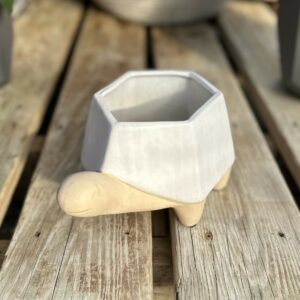
  • Large White Turtle Pot 4.5"

    Large White Turtle Pot 4.5″

    $21.99

    Unleash your plant’s potential in our 4.5″ Large White Geometric Turtle Pot – a captivating blend of contemporary design and functionality. This eye-catching pot is not just a vessel; it’s a statement piece that elevates your greenery into a work of art. Crafted with meticulous detail, the geometric turtle pattern adorns this pot, adding a…

  • Lavandula spp. (Lavender) #2

    Lavandula spp. (Lavender) #2

    $19.99

    Aromatic, clump-forming perennial with silvery foliage and fragrant flower spikes in shades of purple, pink, and white. Ideal for sunny, well-drained landscapes and pollinator plantings.

    Disclaimer: The images for this plant are AI-generated and meant to give you an idea of what it could look like when fully grown. Every plant is unique, so colors, size, and shape may vary. We hope these images help you imagine your plant’s potential!

  • Lavender #2

    Lavender #2

    $19.99

    Lavender Care

    Planting: Choose a location with full sunlight and well-drained soil for your Lavender. Ensure proper spacing to allow good air circulation between plants. Plant in spring or fall, spacing plants about 12 to 18 inches apart.

    Watering: Lavender prefers dry to moderately moist soil. Water newly planted Lavender regularly to establish roots, but once established, water sparingly. Allow the soil to dry out between waterings to prevent root rot. Water at the base of the plant to avoid wetting the foliage, which can lead to disease.

    Soil: Lavender thrives in well-drained, sandy or gravelly soil with low fertility. Amend heavy or clay soils with sand or gravel and ensure good drainage to prevent waterlogging.

    Mulching: Apply a thin layer of gravel or crushed stone around the base of the plant to retain soil moisture, regulate soil temperature, and suppress weed growth. Avoid organic mulches that can trap moisture around the plant’s stems.

    Fertilizing: Lavender is a light feeder and generally does not require fertilization. If necessary, apply a small amount of balanced fertilizer in spring, but avoid excessive nitrogen, which can promote lush foliage at the expense of flowers.

    Pruning: Prune Lavender lightly after flowering to remove spent blooms and shape the plant. Avoid cutting into old wood, as Lavender may not regrow from woody stems. Trim back woody growth in spring to encourage new growth from the base.

    Protection: Lavender is generally resistant to pests and diseases, but monitor for common issues such as aphids or root rot. Treat promptly if necessary with insecticidal soap or fungicide.

    Winter Care: In colder climates, Lavender may benefit from winter protection. Mulch around the base of the plant with gravel or straw to insulate the roots from freezing temperatures.

  • Leucanthemum × superbum (Shasta Daisy) #2

    Leucanthemum × superbum (Shasta Daisy) #2

    $19.99

    A classic upright perennial with bright white daisy flowers and dark green foliage, blooming reliably in early to midsummer. Ideal for sunny borders and cut flower gardens.

    Disclaimer: The images for this plant are AI-generated and meant to give you an idea of what it could look like when fully grown. Every plant is unique, so colors, size, and shape may vary. We hope these images help you imagine your plant’s potential!

  • Liatris #2

    Liatris #2

    $19.99

    An upright, clump-forming perennial with dense purple to violet flower spikes and narrow green foliage, ideal for borders, prairie gardens, and pollinator plantings.

    Disclaimer: The images for this plant are AI-generated and meant to give you an idea of what it could look like when fully grown. Every plant is unique, so colors, size, and shape may vary. We hope these images help you imagine your plant’s potential!

  • Ligularia (Leopard Plant) #2

    Ligularia (Leopard Plant) #2

    $19.99

    Ligularia (Leopard Plant) is a striking shade perennial featuring large, bold foliage and tall stems of golden-yellow flowers that bring strong texture and late-season color to moist garden areas.

    Disclaimer: The images for this plant are AI-generated and meant to give you an idea of what it could look like when fully grown. Every plant is unique, so colors, size, and shape may vary. We hope these images help you imagine your plant’s potential!

  • Lobelia #2

    Lobelia #2

    $19.99

    A low-growing, spreading perennial with masses of vivid blue to purple flowers and neat green foliage, ideal for borders, containers, and pollinator gardens.

    Disclaimer: The images for this plant are AI-generated and meant to give you an idea of what it could look like when fully grown. Every plant is unique, so colors, size, and shape may vary. We hope these images help you imagine your plant’s potential!

Sign up for our e-newsletter and get a coupon for 10% off in our store (in-person purchase).
Our email lets you know about upcoming events, prize drawings and contains special only available to newsletter recipients.

There's no obligation and you can cancel at any time.